

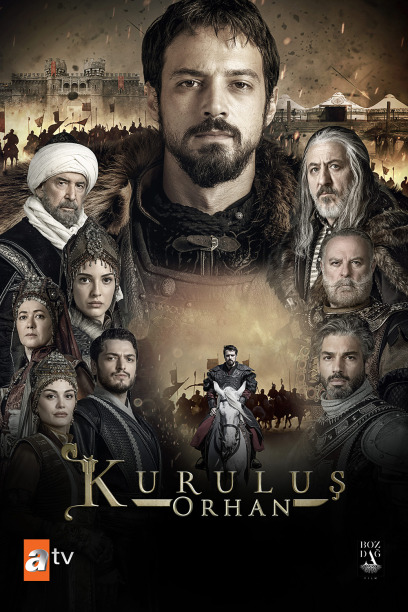
Sultan Orhan Ghazi: The True Architect of the Ottoman Empire
When discussing the rise of the Ottoman Empire, history often spotlights Osman Ghazi, the founder. However, it was his son, Sultan Orhan Ghazi, who transformed a small nomadic tribe into a sophisticated state with a permanent army, currency, and a foothold in Europe.
Ruling from approximately 1324 to 1362, Orhan Ghazi’s reign is defined by strategic brilliance and monumental fatoohat (conquests) that paved the way for the Ottomans to become a world superpower.
Early Life and Accession
Born around 1281 in Söğüt, Orhan was the son of Osman I and Malhun Hatun (some sources suggest Bala Hatun). Unlike many later sultans who grew up in palaces, Orhan was raised on the battlefield. He served as a commander in his father’s army during the siege of Bursa, gaining invaluable military experience.
Upon Osman Ghazi’s death around 1324, Orhan ascended to the throne. His transition was peaceful; his brother, Alaeddin Pasha, voluntarily stepped aside, choosing instead to serve as Orhan’s Grand Vizier—a partnership that would revolutionize the Ottoman administration.
The Great Fatoohat: Major Conquests of Orhan Ghazi
Orhan Ghazi’s military campaigns were not just raids; they were calculated expansions intended to permanently hold territory. His “fatoohat” secured the Marmara region and effectively pushed the Byzantines out of Anatolia.
1. The Conquest of Bursa (1326)
The siege of Bursa began under Osman Ghazi but was completed by Orhan. The city surrendered on April 6, 1326, without mass bloodshed. Orhan immediately declared Bursa the first official capital of the Ottoman State. This victory gave the Ottomans a major urban center and a command post for future campaigns.
2. Battle of Pelekanon (1329)
Alarmed by the loss of Bursa, the Byzantine Emperor Andronikos III led an army to crush the rising Ottoman threat. Orhan met them at Pelekanon (modern-day Maltepe). The Ottomans secured a decisive victory, marking the first time an Ottoman Bey personally defeated a Byzantine Emperor in open battle.
3. Siege of Nicaea (Iznik) and Nicomedia (Izmit)
Iznik (1331): After a prolonged blockade, the heavily fortified city of Nicaea surrendered. Orhan showed great mercy to the inhabitants, allowing them to leave or stay under Ottoman rule. He converted the Hagia Sophia church there into a mosque and established the first Ottoman Madrasa (university).
Izmit (1337): With the fall of Nicomedia, practically the entire region of Bithynia came under Ottoman control.
4. Annexation of Karesi (1345)
Orhan skillfully intervened in a succession struggle within the neighboring Turkish beylik of Karesi. By annexing this territory (modern-day Balıkesir and Çanakkale), the Ottomans gained two crucial assets:
Access to the Aegean Sea.
The experienced Karesi navy, which would allow them to cross into Europe.
Crossing into Europe: The Gallipoli Campaign
The most significant achievement of Orhan’s reign was the expansion into Thrace (Rumelia). This was not merely a raid, but a permanent settlement.
In 1354, Orhan’s eldest son, Süleyman Pasha, captured the fortress of Tzympe and later Gallipoli (Gelibolu) after a devastating earthquake shattered the city’s walls. This gave the Ottomans their first stronghold in Europe. From this bridgehead, the Ottomans would eventually launch campaigns that reached the gates of Vienna centuries later.
State Building and Administrative Reforms
Orhan Ghazi is often called the “State Builder” because he instituted systems that turned a tribal beylik into a structured government.
-
The Yaya and Musellem: Orhan created the first standing army of paid infantry and cavalry, reducing reliance on irregular tribal volunteers.
-
First Currency: He minted the first silver Ottoman coin (Akçe), a symbol of economic independence.
-
Vizier System: He formalized the role of the Vizier (Prime Minister) to manage state affairs, allowing the Sultan to focus on expansion.
Personal Life and Legacy
Orhan Ghazi was known for his diplomatic marriages, most notably to Holofira (Nilüfer Hatun), a Byzantine noblewoman, and Theodora, the daughter of Emperor John VI Cantacuzenus.
Orhan died in 1362 and was buried in Bursa, the city he loved and conquered. He left his successor, Murad I, a functioning state with territory on two continents.
Conclusion
Sultan Orhan Ghazi was the bridge between the nomadic roots of the Kayı tribe and the imperial glory of the Ottoman Empire. His life was a masterclass in patience, mercy, and strategic warfare. By the time of his death, the Ottomans were no longer just a frontier principality; they were a rising empire poised to change the course of history.